ART ACADEMY
Ensuring outstanding teaching in Art & Design

PORTRAITS (Upper Key Stage 2)

Teaching Pack
-
5 Lesson Presentation Slides
-
Knowledge Organiser
-
Medium Term Planning
-
Teaching resources
-
Additional Presentation: Elements of Art
-
Additional Presentation: Using Sketchbooks
-
Additional Presentation: 5 Minute Drawing
-
Additional Presentation: Art Museums
-
Additional Presentation: Portrait Museum
Unit Overview
Sequence of Learning for Teachers
In this unit of work children consolidate and deepen their knowledge and understanding of portraiture by focusing on creating art from facial features. They create portraits of themselves and also portraits of others from different viewpoints. They learn about iconic portraits created by artists and have the opportunity to develop their knowledge of the work of Pablo Picasso and the Cubist art movement. They apply their knowledge of portraiture when creating sculptures in the style of both Pablo Picasso and Amedeo Modigliani.
This knowledge, skills and understanding is delivered through the following convergent task sessions:
Session 1: Self Portrait – Finishing the Photo
Session 2: Julian Opie Portraits
Session 3: Partner Portraits
Session 4: Picasso Sculpture
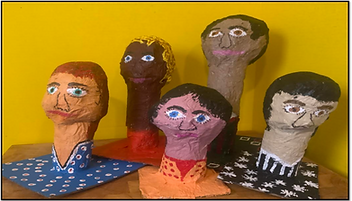
Creative Outcome (Divergent task) - Out of Proportion (Modigliani Sculptures)
The unit of work completes with the creative outcome (divergent task) activity that can be delivered over two or more sessions. These sessions can also be used for children to complete activities from sessions 1-4. For the creative outcome children learn about the distinctive portrait style developed by the artist and sculptor Amedeo Modigliani and apply this knowledge to create a sculpture based on his iconic artwork. The creative outcome activity provides an opportunity for children to apply their knowledge, skills and understanding from previous sessions as well as developing their creativity and understanding of the creative process by combining their imagination and ideas with knowledge and skills in art and design. The convergent tasks also provide an opportunity for the teacher to identify children who may need further support in developing skills and techniques during the divergent creative outcome task.
Learning Sequence
Session 1
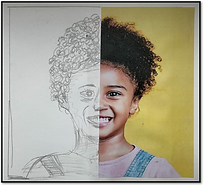
Finishing the Photo: In this session children consolidate their understanding of portraiture and self-portraits. They have the opportunity to undertake independent research into iconic portraits that have been created by famous artists before completing their own self-portrait using a range of pencil drawing and shading techniques.
Session 2
Finishing the Photo (Part 2): This session builds upon children’s learning and experiences from the previous session by developing their knowledge and understanding of self-portraits. Children learn about the Pop Art style of the artist Julian Opie before creating their own self-portrait by mimicking the style of his portrait art.

Session 3
In this session children develop their history of art knowledge by learning how the genre of portraiture has developed over the past five thousand years. They learn that portraits can be created from different viewpoints and the way in which facial features are drawn from the front view. They apply this knowledge to create a pencil portrait of their learning partner.

Session 4
This session builds upon children’s learning from session 3. Children are introduced to the profile viewpoint when drawing portraits and how this affects the way in which facial features are portrayed. The learn about the Cubist portray style of Pablo Picasso and apply their knowledge of different facial viewpoints to create a carboard portrait sculpture in the style of the artist.

Creative Outcome
For the creative outcome children learn about the life and the art of the artist Amedeo Modigliani. They learn to recognise his distinctive style of painting portraits and to mimic this style to create a portrait painting. They apply their knowledge of the artist’s work to create a portrait sculpture in the style of the artist Amedeo Modigliani by creating an armature which is then covered with malleable papier mache.